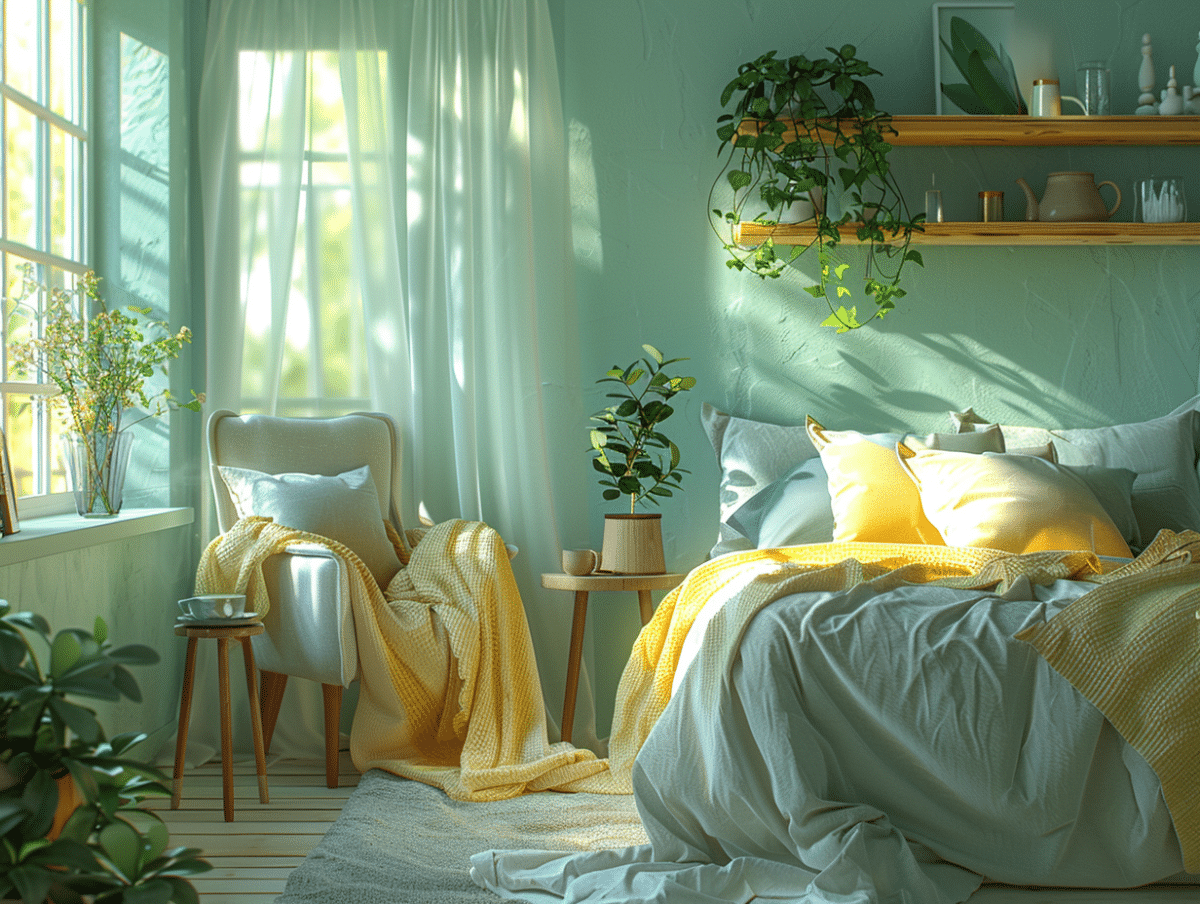
Creating a bubble of serenity at home, particularly in your relaxation space, is crucial for well-being. This involves a series of thoughtful choices regarding layout, furniture, and decoration. The criteria of comfort, functionality, and aesthetics must be harmonized to promote restorative sleep and optimal relaxation. Choosing suitable bedding, a calming color palette, and soft lighting are among the essential elements. The arrangement of furniture and the absence of clutter contribute to an atmosphere conducive to letting go and revitalization.
The essential criteria for an optimal relaxation space
Designing a relaxation space, whether it’s a home office or a relaxation corner in a coworking environment, requires special attention. The dimension of the room, often overlooked, should be considered based on the activity being performed. For freelancers and entrepreneurs, the space must encourage both concentration and relaxation. A visual or physical separation between the office and the relaxation area can be effective in marking the transition between work and leisure.
At the heart of this design, decoration plays a significant role. The balance between ergonomic furniture and inspiring aesthetics must be found to stimulate productivity while providing a refuge against the isolation often felt by freelancers and entrepreneurs. The goal is to create an environment where harmony prevails, conducive to both professional and personal growth. Adding plants, using light colors, and implementing an efficient storage system contribute to this quest for serenity.
The coworking concept, which is on the rise, responds to the needs for conviviality and professional exchanges. Coworking spaces offer pleasant and suitable premises for entrepreneurs, helping to combat isolation and foster creativity. The layout of these spaces reflects the desire to promote well-being at work, providing shared offices, friendly meeting rooms, and relaxation corners where professionals can meet and collaborate in an atmosphere that is both studious and relaxed.
The best practices for designing your relaxation space
When approaching the design of a relaxation space, whether it’s a simple office or a large coworking area, furniture plays a central role. Shared desks should offer both ergonomics and flexibility, such as height-adjustable desks that allow for varying postures throughout the day. Chairs, chosen for their comfort, should encourage relaxation without compromising work posture. Meeting tables should be modular to adapt to various formats of professional exchanges, from formal meetings to brainstorming workshops.
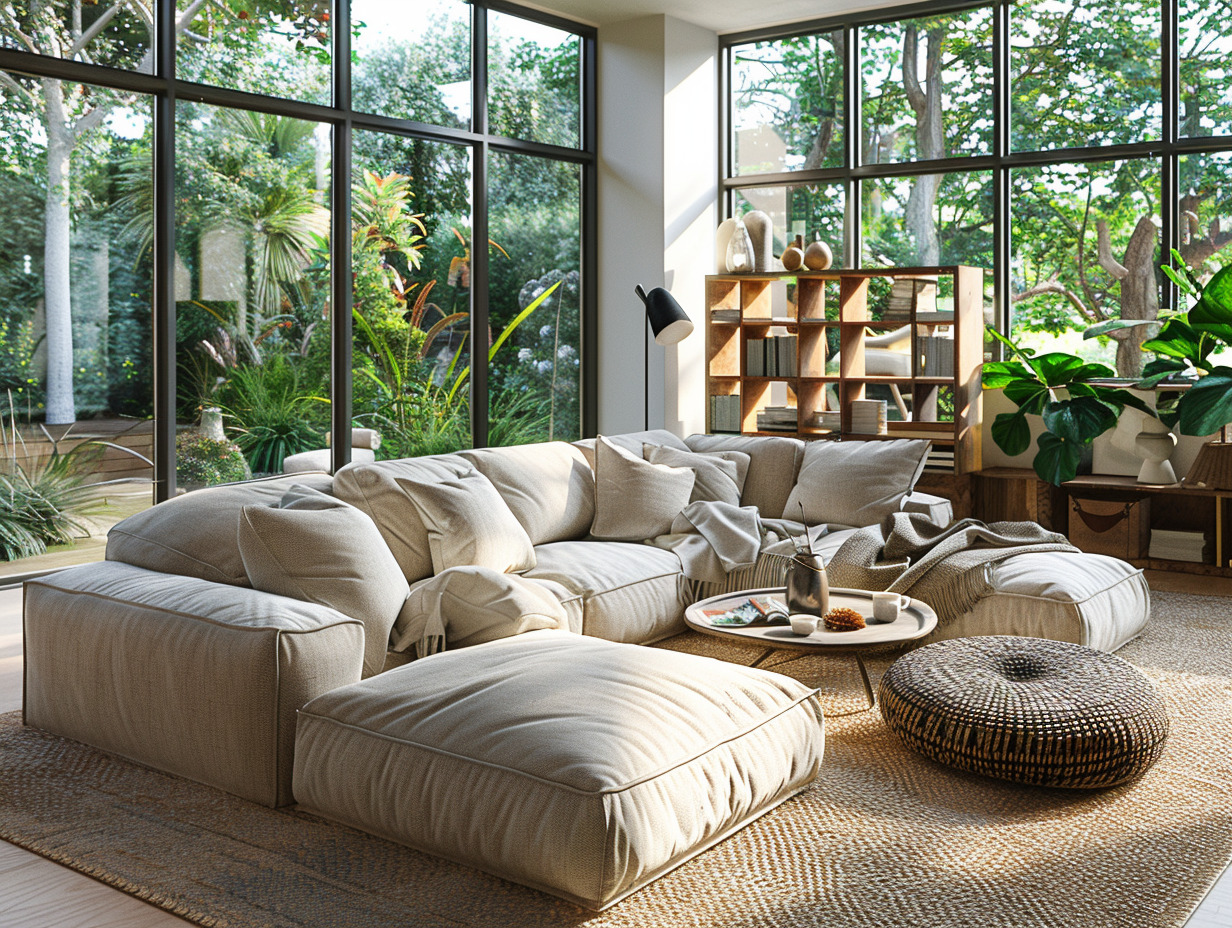
In a coworking space, the layout should be designed to facilitate meetings and collaboration among professionals. Break rooms, coffee corners, and dining areas are designed to encourage spontaneous interactions, thus bringing a joyful and bright atmosphere to the premises. The use of bright colors, natural materials, and abundant natural light helps create a work environment that is both inspiring and relaxing. These decorative choices are not just aesthetic details; they are the foundation upon which a dynamic community of workers can thrive.
As for individual workspaces, privacy should not be overlooked. Even within an open space, the presence of dividers, movable partitions, or buffer zones allows for balancing the need for concentration with the spirit of collaboration inherent in coworking spaces. It’s about balancing openness and communication with the need for occasional isolation, so that each professional can find their place and work under the best conditions.