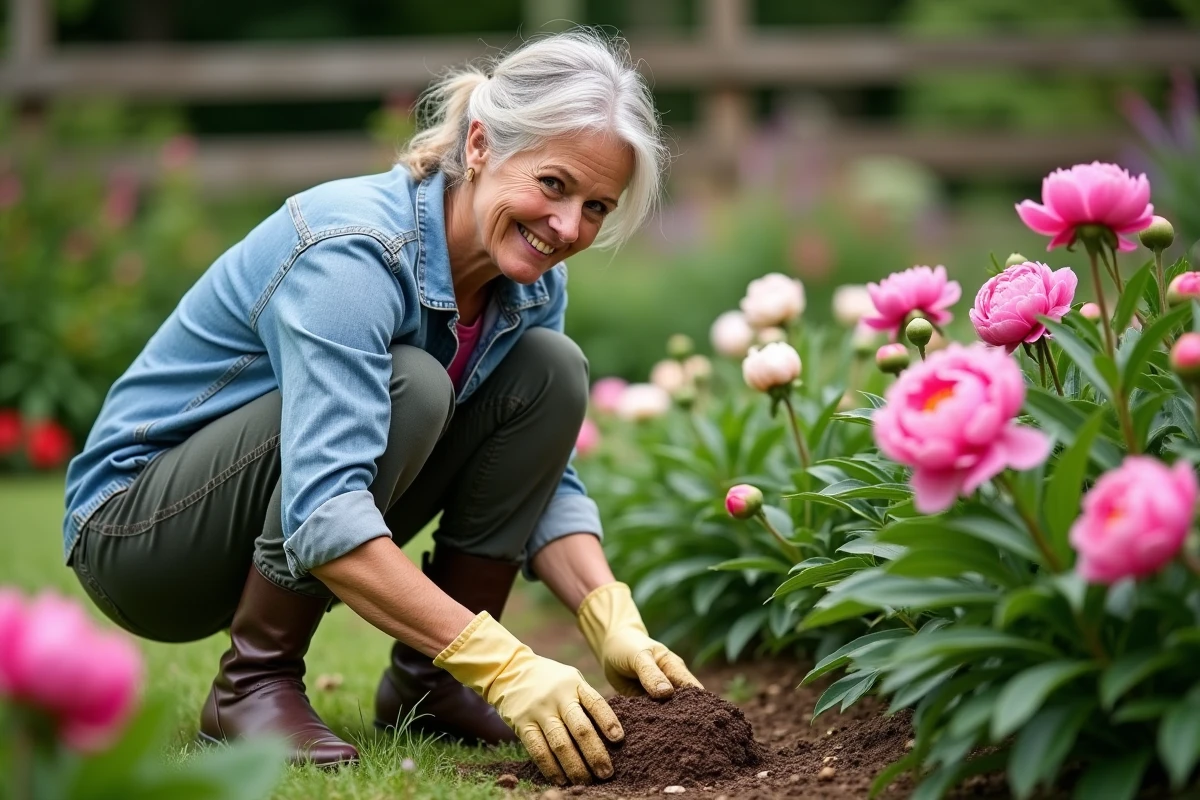
The label “universal” never really applies to organic amendments. The horse manure sold at Lidl, often seen as the gardener’s cure-all, is no exception. Its effectiveness on peonies is not automatic: it all depends on the action, the timing, and how the soil receives it.
False good ideas abound: burying the manure too deeply, using too much, applying it at the wrong time—these mistakes hinder the growth of peonies and restrict their blooming. However, applying this fertilizer with discernment changes the game. Certain actions, which may seem contrary to instinct or tradition, actually promote the vigor of peonies and the beauty of the flowerbed.
Lidl horse manure, a natural ally for vibrant peonies
In the garden, fertility is never a matter of chance. The horse manure offered by Lidl, carefully packaged, provides a valuable organic source for anyone wishing to see their peonies thrive. Nitrogen, phosphorus, potassium: this trio of nutrients perfectly meets the needs of these demanding flowers.
Enriching the soil with this manure is primarily about improving soil texture, retaining water at the roots, and stimulating all the invisible life that revolves beneath our feet. Spreading it in the fall or late winter prepares the ground for vigorous growth and generous blooming.
Experienced gardeners know that using Lidl horse manure for peonies requires method and observation. Too fresh, it burns the roots: it’s better to use a composted product. Spreading the manure on the surface and then lightly scratching it is enough to release the nutrients without disturbing the plant.
The analyses are clear: well-decomposed horse manure acts as a true accelerator for flowerbeds, without saturating the soil. This simple yet precise action is part of a tradition where patience always prevails over haste.
What actions to adopt to nourish and protect your peonies with horse manure?
Horse manure, packaged and ready to use at Lidl, reveals its full potential when used wisely. To enhance the vigor of your peonies, prioritize application when the plant enters dormancy, in the fall or in the weeks leading up to the spring restart. This timing protects the roots, avoids burns, and ensures a slow release of nutrients.
Here are the actions to remember so that your peonies fully benefit from horse manure:
- Spread a layer of two to three centimeters of composted manure without touching the base of the plant directly.
- Lightly scratch the surface to help the material penetrate the soil without disturbing the root structure.
- Avoid burying the manure too deeply: peonies do not like excess moisture or root suffocation.
This ritual, combined with light mulching, protects the soil from temperature fluctuations and limits water loss. The soil improves in quality, and the resumption of growth is promising. To protect young shoots, always check that the manure is well-matured: thorough composting prevents diseases and excess nitrogen that could weaken the plant.
Ultimately, the art of enhancing peonies with horse manure relies on consistency and attention. Adjust the quantity according to the vigor of the plants, monitor moisture, and adapt as needed. For more details on application or safety, reread how to use horse manure to enhance your peonies in the garden. Every detail counts when it comes to transforming a flowerbed into a floral scene where the peony reigns, nourished by a living and well-cared-for soil.

Practical tips for successfully integrating Lidl manure into your flowering bed
The horse manure sold at Lidl offers an effective solution for enriching the soil and strengthening the health of peonies. Experience shows that the result depends on a few specific actions, to be adjusted according to the configuration of your flowerbed. Work the surface without turning the soil deeply: preserving microbial life remains the key to fertile soil. Quickly, the texture improves, and the plant gains robustness.
To integrate this fertilizer into your routine, here are the recommended practices:
- Spread a thin layer of composted manure on moist soil, at the beginning of spring or in the fall. These periods favor gradual and balanced decomposition.
- Combine the manure with additions of straw, dead leaves, or small chopped branches. This mixture stimulates soil activity and prevents it from becoming too compact around the peonies.
- Observe the plants’ reaction in the weeks that follow: deep green foliage indicates a good balance between nutrition and aeration.
Some experienced gardeners add fragmented branch wood to the manure: this combination structures the soil and supports the growth of peonies. Renew the application every six to eight months to maintain a constant availability of nitrogen, phosphorus, and potassium. Varying organic materials, such as straw, leaves, and BRF, eliminates any risk of saturation and encourages regular blooming.
Patience and observation transform the garden. The peonies settle in, robust and vibrant, a discreet but undeniable sign that a carefully nourished flowerbed never disappoints.