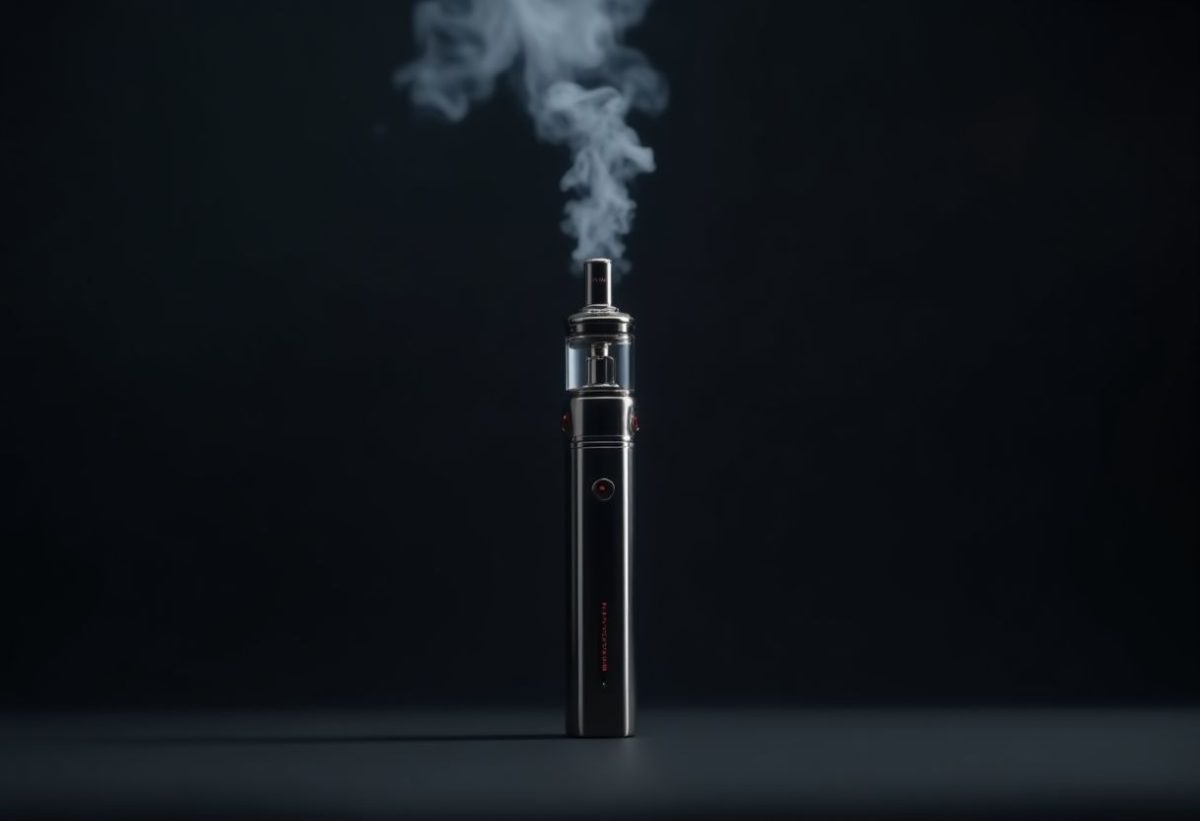
The puff, this disposable electronic cigarette with varied flavors, has experienced a meteoric rise in the modern world, particularly appealing to younger generations. It has established itself not only as a popular alternative to traditional tobacco but also as a genuine fashion accessory. In just a few years, it has become ubiquitous, crossing borders and cultures, transforming the vaping industry in its wake. Behind this popularity lies a myriad of discussions and debates about the health, social, and environmental implications of this product. While some see it as a step towards reducing the harms of tobacco, others raise concerns about its long-term effects and its appeal to young people.
The origins and popularity of the puff
The puff did not simply appear by chance; it is the result of an evolution in the vaping field and a growing need for practical and attractive products.
- The first electronic cigarettes appeared in the early 21st century, but they were often bulky and required maintenance. It is in this context that the puff was born, bringing simplicity and accessibility.
- Its success partly relies on its availability and ease of use. No need to recharge or refill it, it is ready to use, making it an appealing product for those looking to avoid the constraints of traditional electronic cigarettes.
- The varied flavors, ranging from tropical fruits to sweet treats, are another factor in its appeal, especially among young adults seeking new taste experiences.
The health issues of the puff
Discussions about public health surrounding the puff continue to grow, with differing opinions about its real effects on users’ health.
Some experts argue that while the puff is less harmful than traditional cigarettes, it is not without risk. The inhaled chemicals, although in smaller quantities, can still have negative effects on the lungs and cardiovascular system. Other studies are examining the potential for addiction caused by the nicotine contained in many puffs, especially among young people who may not fully understand the long-term consequences of their consumption.
Finally, the question of regulation arises insistently, with authorities in many countries still hesitant to impose clear and uniform restrictions.
The environmental impacts of the puff
The rise of the puff is not limited to health issues but also raises environmental concerns, often underestimated.
Puffs are single-use items, which means their consumption generates a considerable amount of electronic waste. These devices contain lithium batteries, plastic materials, and electronic components that, if not recycled properly, can pollute our environment. Initiatives to collect and recycle these products are still insufficient given the scale of the problem.
Some environmental activists are calling for greater accountability from manufacturers and users, emphasizing the importance of establishing suitable recycling systems.
The puff: a product in evolution
In the face of multiple criticisms and growing demand, the puff industry continues to evolve, seeking to meet consumer expectations while adapting to legislative and ethical requirements.
- Manufacturers are constantly innovating, offering more sustainable models and even more varied flavors. Some are even exploring rechargeable options to reduce the ecological footprint.
- On the regulatory front, various countries are striving to legislate, whether through age restrictions, flavor limitations, or specific taxes. These measures aim to regulate use while discouraging excesses.
- Awareness campaigns are multiplying to inform the public about potential risks, particularly among young people, often considered a vulnerable audience in the face of aggressive marketing by manufacturers.