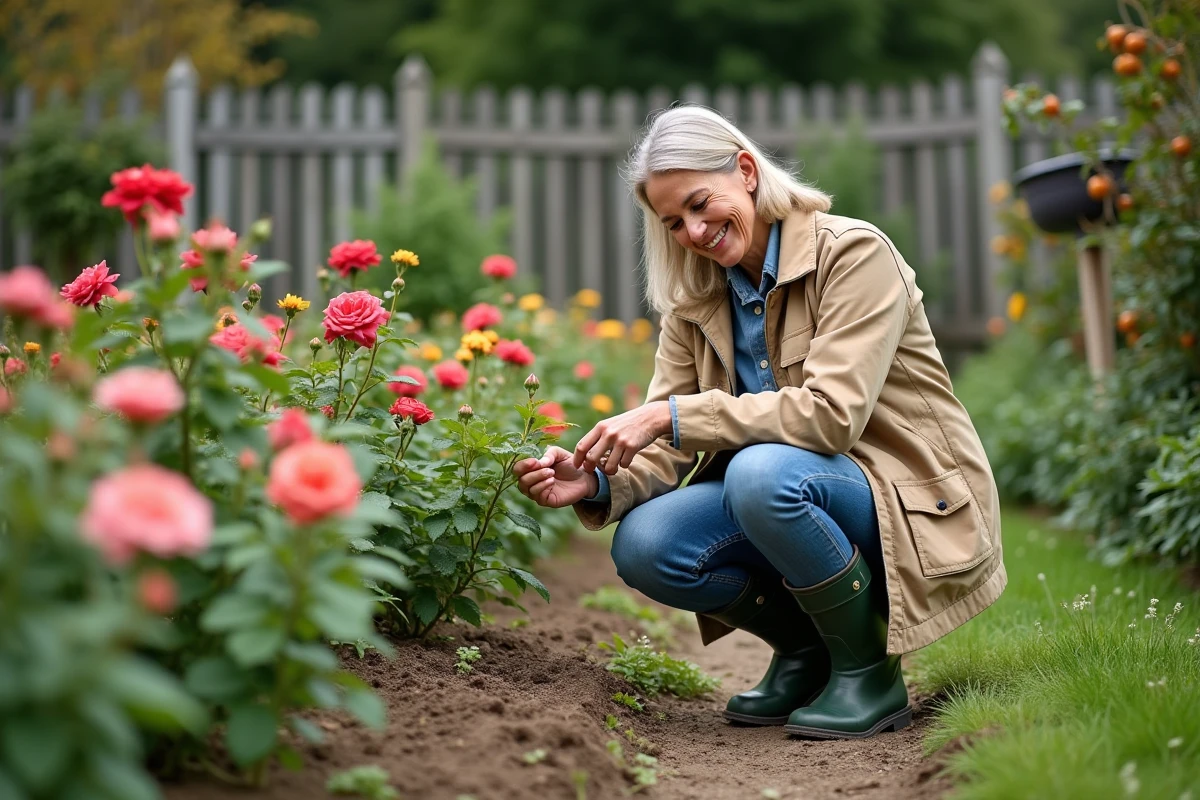
A compacted soil acts like a lock for roots, hinders water circulation, and blocks access to nutrients. However, turning the soil with every change of season is not a cure-all: it disrupts the valuable activity of microorganisms, those invisible workers that ensure the balance of the garden.
Excess fertilizers eventually weaken soil life and reduce diversity. In contrast, relying on natural and measured practices sustainably strengthens the health of your plants. There’s no need to multiply interventions: a few thoughtful actions, adapted to each time of year, are enough. The garden is no longer a chore but a precise mechanism that refines itself over the seasons.
Understanding the essential needs of your garden throughout the seasons
The rhythm of the seasons imposes its rules on your garden. A living soil, a well-thought-out exposure, plants chosen for their affinity with the local climate: everything matters to preserve balance. When spring arrives, the garden awakens from its slumber: manual weeding, soil aeration, a few well-placed sowings, and the scene is set. To meet the demands of your vegetables and flowers, the substrate must remain rich and well-drained.
Summer focuses entirely on managing watering. Excess suffocates, while lack exhausts. Targeted watering at the base of the plants, early in the morning, combined with a dense mulch, helps limit evaporation. It’s the season of generous vegetable gardens: watch for the onset of diseases and harvest without delay.
In autumn, the soil receives mature compost, and sensitive plants are covered. Necessary pruning is done before winter, a time when the garden is not at a standstill: watch for frost damage, maintain tools, and think about crop rotation for the next year. Fruit trees appreciate a gentle cut and an application of wood ash, which supports their energy for the coming season.
Soil type, exposure, varietal choice: these three fundamentals guide any approach to maintenance that is reasoned. To delve deeper, discover Conseil au Jardin to explore in detail the actions suited to each season, the plant associations that work, and the attention to give to each plant to maintain the vitality of the garden throughout the year.
What simple actions facilitate effective and ecological maintenance?
The daily routine of gardening requires neither complex techniques nor chemical products to reveal the beauty of a green space. A few regular actions are enough to ensure harmonious maintenance, respectful of the natural balance of your garden.
Here are practices to prioritize to lighten the workload while promoting the health of your plants:
- Mulching retains moisture, slows the progression of unwanted weeds, and enriches the soil as it decomposes. Grass clippings, fallen leaves, or wood chips are your best allies for naturally nourishing your flower beds.
- A controlled watering, at the base of the plants, early in the morning or late in the evening, prevents waste. Consider collecting rainwater: a precious resource for garden maintenance throughout the year.
- Provide the soil with homemade compost or organic amendments, adjusting according to the season. This habit promotes microbial life, a pillar of the vitality of your green spaces.
Crop rotation in the vegetable garden helps preserve soil fertility and limit the spread of diseases. Alternate leafy vegetables, roots, and fruits for better and more abundant harvests. Well-sharpened tools, chosen with care, a clean pruning shear, a manageable fork, and a sturdy rake make each action more effective and less tiring.
Companion plants prove valuable, whether to naturally repel certain pests or to boost pollination. A few targeted interventions, thoughtful choices, and the garden gains vigor without artifice or excess.

Concrete tips for a flourishing garden all year round, even without experience
The garden is not just a simple assembly of plants and soil. It is a fragile alliance, nurtured daily through a few proven tips. To see your space thrive, simply observe the rhythm of the seasons: prune at the right time, sow as soon as the soil warms up, protect young shoots from late frosts.
For beginners, the task may seem daunting. However, a few simple reflexes are enough to transform your space into a living refuge:
- Select plants adapted to your climate; they are more resistant to diseases and require less watering.
- Maintain regular maintenance: remove dead leaves, aerate the soil, monitor the state of your beds, and intervene at the first signs of fatigue or invasion.
- Alternate flowers, vegetables, and herbs: this diversity limits pest attacks and promotes beautiful biodiversity.
Gardening tips also come from careful observation. A compacted soil is out of breath, a wilted plant sends a warning signal. Adapt your gardening advice according to the weather, adjust watering, stagger plantings to match the local calendar. In small areas, opt for compact or climbing varieties: every square meter counts. Also, leave some space for spontaneous nature: a corner left free, wild herbs, and your garden can breathe again.
In every season, appropriate actions and thoughtful choices are enough to transform the garden into a dynamic ecosystem, where life circulates, invents, and regenerates tirelessly. Nothing is fixed; everything remains to be sown.