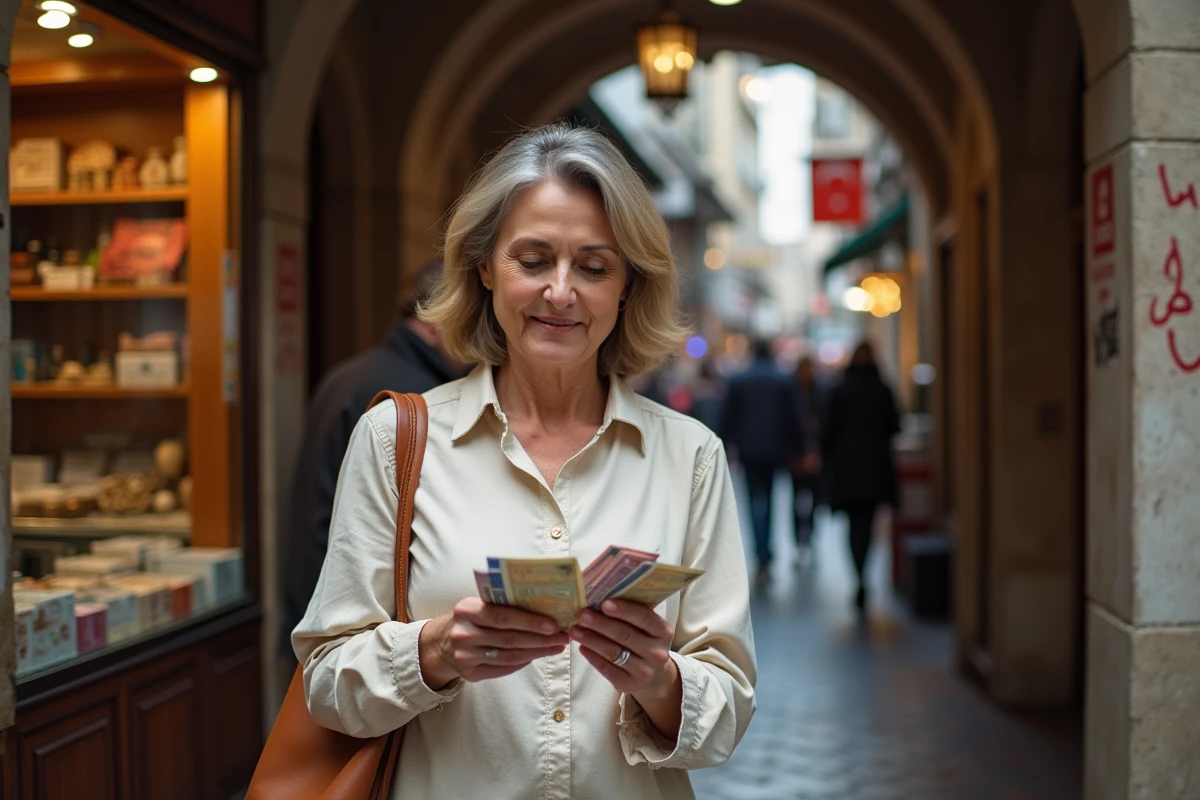
The Turkish lira has lost a significant part of its value against the euro in recent years. For a European traveler, this depreciation makes Turkey particularly accessible, provided that the advantage is not lost at the time of exchange.
The rate displayed at a currency exchange office in Istanbul and that applied by an ATM at the airport can diverge to the point of erasing part of the purchasing power gain. Knowing where, when, and how to convert euros into Turkish lira remains the first budgeting reflex to adopt before departure.
Bank margin on Turkish ATMs: what the displayed rate doesn’t tell you
Withdrawing Turkish lira from an ATM in Turkey seems simple. The pricing reality is less so. Since mid-2024, several major Turkish banks, including Akbank and Garanti BBVA, have applied significantly higher surcharges on withdrawals in foreign currencies than on withdrawals in Turkish lira.
In practice, the ATM often offers an automatic conversion to euros (Dynamic Currency Conversion). If you accept this conversion, the rate applied is set by the Turkish bank, not yours. The margin can reach several percentage points compared to the interbank rate. The reflex to keep: always refuse the conversion offered by the ATM and choose to be charged in Turkish lira. Your French bank will then apply its own rate, which is generally more favorable.
Before leaving, also check the foreign withdrawal fees charged by your own bank. Some French banks charge a fixed fee per transaction plus a percentage of the amount. Combined with the margin from the Turkish ATM, these fees make withdrawing from the ATM less competitive than exchanging cash at a well-located bureau de change. To determine precisely where to exchange in Turkey, you need to compare these hidden costs with the rates offered at physical offices.
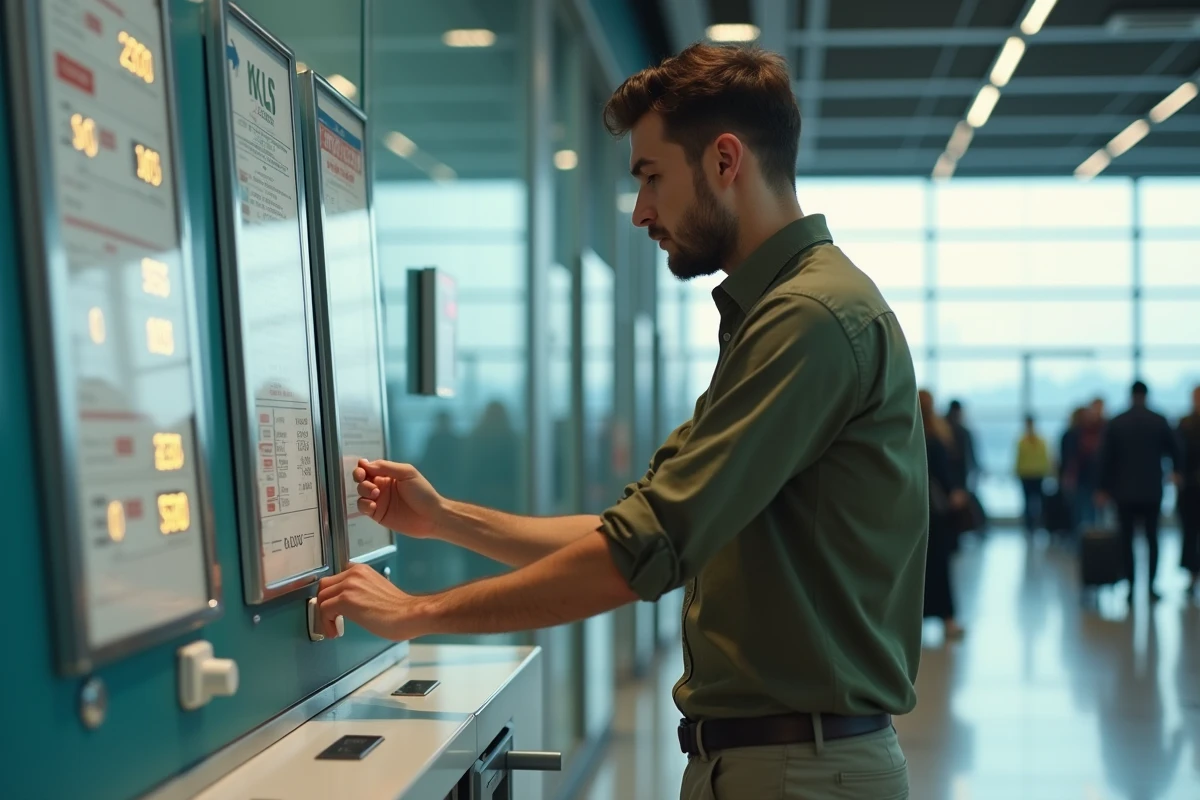
Currency exchange offices in Istanbul: negotiable rates and increased controls
Independent currency exchange offices, called döviz bürosu, remain the most advantageous channel for converting euros into Turkish lira. The tourist areas of Istanbul (Sultanahmet, Taksim) have dozens of them, but the best rates are generally found in areas with high commercial competition, such as around the Grand Bazaar or the shopping streets of Kadıköy, on the Asian side.
A currency exchange office in a competitive area displays a tighter rate than an isolated office near the airport. The difference may seem marginal on small amounts, but it widens as soon as you exchange a few hundred euros. Don’t hesitate to compare three or four offices within the same perimeter before making a decision.
Identity checks and reporting thresholds
Turkish regulations against money laundering were tightened in 2024. Currency exchange offices now conduct identity checks and systematic registrations as soon as the amount exceeds a moderate threshold in euros. If you plan to exchange a large sum in a single transaction, have your passport ready and expect a longer wait than before.
This tightening does not affect small everyday transactions. For an exchange of a few dozen euros intended for daily expenses, the transaction remains quick.
Wise and Revolut cards on the euro-Turkish lira pair: recent limits
European neobanks have long been presented as the universal solution for traveling without exchange fees. On the EUR/TRY pair, the situation has evolved. Since late 2023, Revolut and Wise have raised their margins and changed their advantageous exchange limits specifically on the Turkish lira, due to the volatility of this currency.
Revolut revised its terms in November 2023 and then in March 2024. Wise changed its TRY exchange fees in January 2024. The “perfect” interbank rate is no longer accessible unlimitedly for a tourist paying for hotels, restaurants, and significant purchases through these apps.
- Small daily expenses (transport, meals, site entries) remain advantageous via these cards, as the amount stays below the preferential limits.
- Large payments (high-end hotel, carpet at the Grand Bazaar, jewelry) often exceed the free exchange limit, and the margin applied beyond that approaches that of a traditional bank.
- On weekends and holidays, some neobanks apply an additional surcharge on volatile currencies, of which the Turkish lira is a part.
Combining a neobank card for small expenses and cash exchanged at an office for large purchases remains the most economical strategy to date. Field reports vary on the exact threshold at which the currency exchange office becomes more interesting: it depends on your subscription plan and the day of the week.
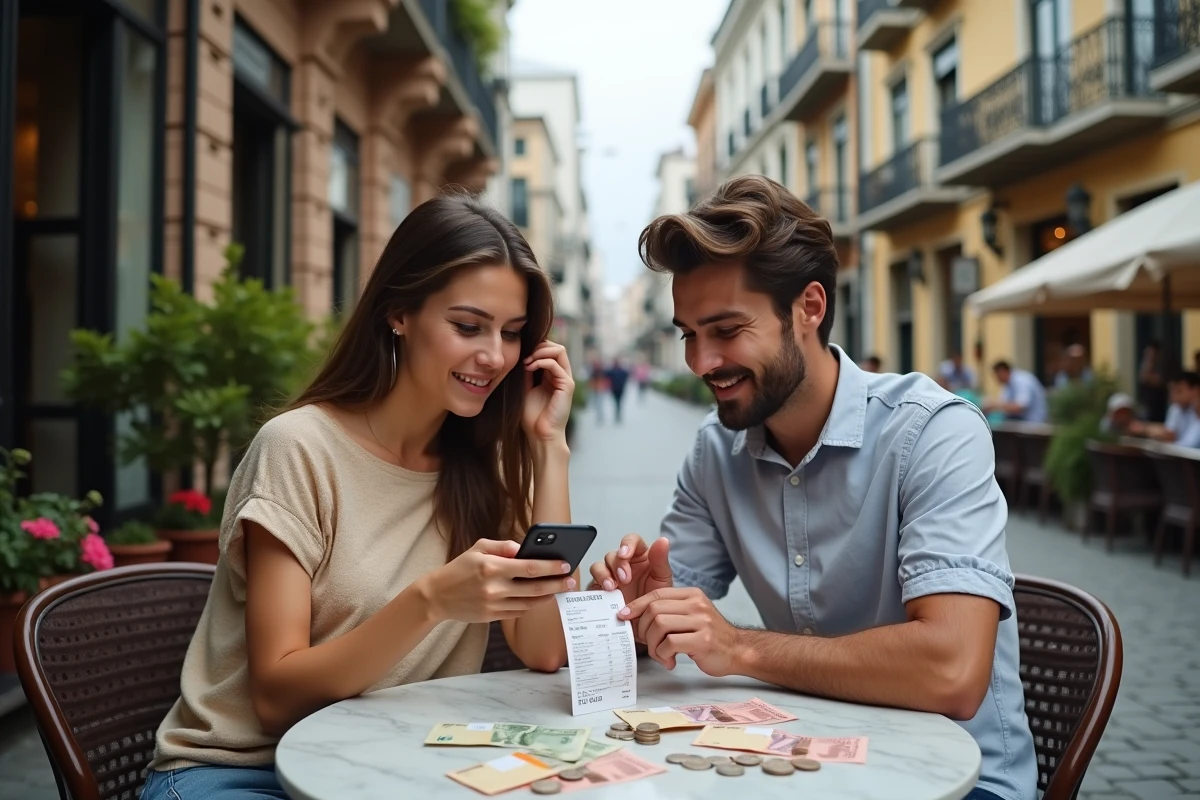
Airport and hotel exchanges: options to avoid in Turkey
The currency exchange counters located in Istanbul airports (Sabiha Gökçen and Istanbul Airport) and in hotel lobbies offer significantly less favorable rates than currency exchange offices in the city. Convenience comes at a price, and this price often represents several additional margin points.
If you need Turkish lira as soon as you arrive (taxi, shuttle, tip), only exchange a small amount at the airport to cover your initial expenses. The rest can wait until you reach a shopping area.
- Airport: among the least favorable rates in the country, to be reserved for the strict minimum.
- Hotels: even less competitive rates, often fixed at the beginning of the day without adjustment.
- Currency exchange offices in the city center: rates closest to the interbank rate, especially in areas with high competition.
Should you exchange your euros before leaving France?
French currency exchange offices rarely offer a competitive rate on the Turkish lira. The demand for this currency is low in France, which results in wider margins. Exchanging on-site in Turkey almost systematically yields a better result, even when accounting for the small initial change at the airport.
The last point to keep in mind: the Turkish lira continues to fluctuate. Splitting your exchange operations over several days, rather than converting everything at once, helps smooth out rate variations and avoid suffering an unfavorable spike on the day of arrival.