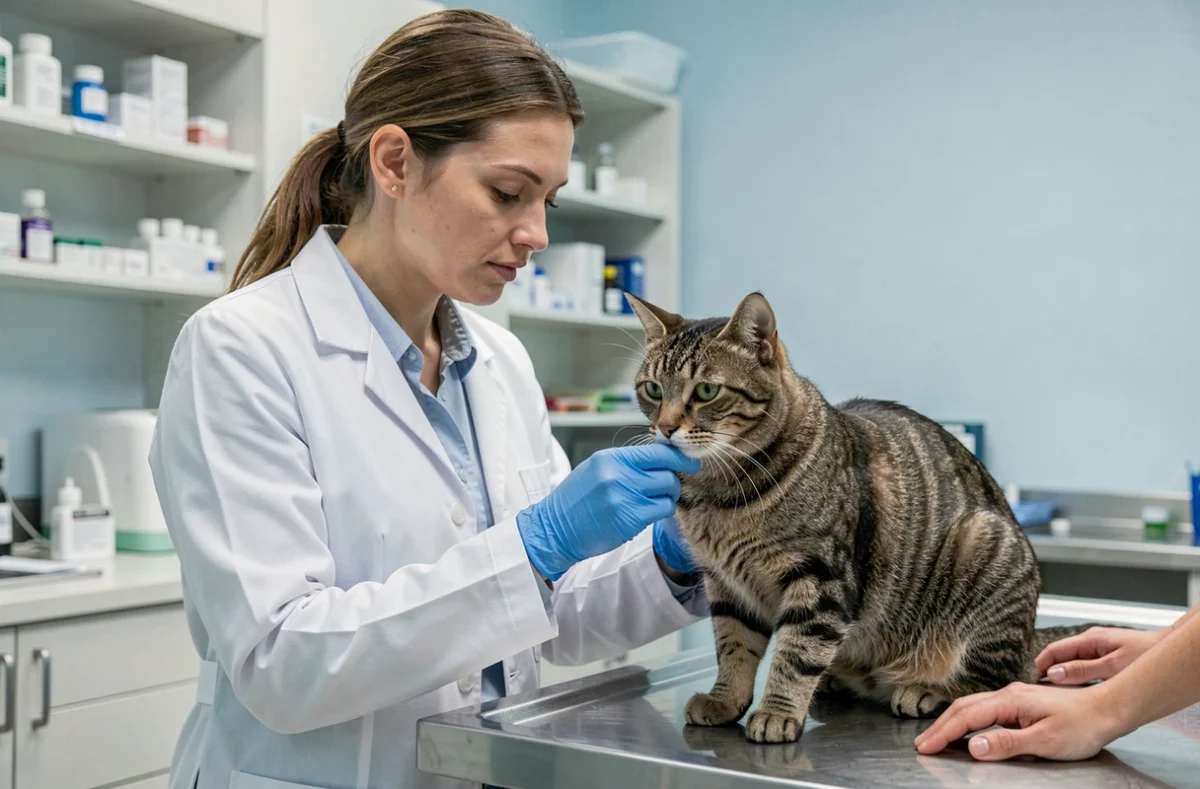
Your cat starts having seizures on a Sunday evening. The nearest clinic answers the phone but refuses to see you. It’s rare, but it happens. The legal framework governing refusals of veterinary care clearly defines what a practitioner can and cannot do.
Emergency care obligations: what the veterinary code of conduct requires
Article R.242-48 of the French Rural and Maritime Fishing Code sets out a clear rule: in an emergency, the veterinarian must come to the animal’s aid. Hemorrhaging, respiratory distress, acute poisoning, urinary obstruction in a male cat: anything that puts the animal’s life at risk falls within this scope.
This obligation has a practical limit. It applies within the practitioner’s area of expertise and the capabilities of the equipment available on site. A general practitioner without an ultrasound machine or a suitably equipped operating room is not required to perform major surgery, but must stabilize the animal and arrange a transfer to a properly equipped facility.
It’s easier to understand when a veterinarian can refuse to treat a cat once you distinguish between a life-threatening emergency and a routine appointment. In the first case, an outright refusal is prohibited. In the second, the situation is very different.
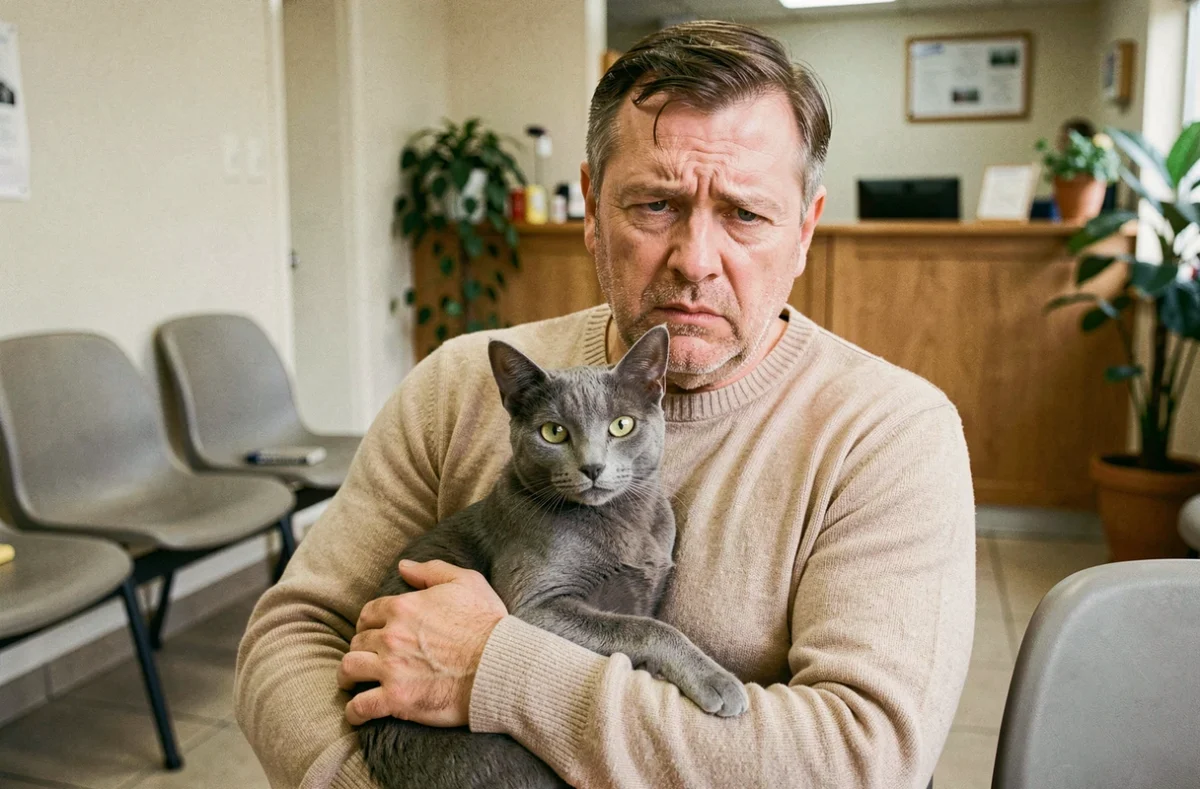
Refusing care outside an emergency: a veterinarian’s right, subject to rules
Outside an emergency, a veterinarian can refuse to treat your cat. The veterinary code of conduct allows this, and the practitioner is not required to explain the decision to the owner.
The most common reasons in practice include:
- A history of unpaid bills or outstanding invoices, as payment of fees remains a recurring source of friction between veterinarians and pet owners
- The owner’s behavior being considered aggressive or disrespectful during previous appointments
- An ongoing disagreement about the treatment plan, such as an owner who consistently refuses recommended diagnostic tests
- An unidentified cat whose legal status (stray or pet) is unclear
Refusing care outside an emergency is not misconduct; it is a professional right. The French Veterinary Order also publishes practical guidance to help practitioners formally communicate this type of decision in writing and in accordance with the rules.
The obligation to refer you to another veterinarian
One point many pet owners are unaware of: if a veterinarian refuses to see you or decides to end the care relationship, they must refer you to another veterinarian. This obligation is set out in the veterinary code of conduct and is intended to ensure continuity of care for the animal.
In practice, this means the practitioner must at least give you the name or contact details of another practice or clinic that may be able to treat your cat. Refusing care without offering any alternative is a breach of professional conduct.
Veterinary on-call services: who should respond at night and on weekends?
Out-of-hours care is a collective responsibility, not an individual one. Two things are often confused: a veterinarian’s personal obligation in an emergency and the local organization of on-call services.
The French Veterinary Order organizes an on-call system in each area to cover nights, weekends, and public holidays. Your regular veterinarian is not necessarily the one on call that evening. However, they must tell you which on-call service you can contact, or at the very least display this information on their voicemail.
A cat in distress at 3 a.m. should be taken to the on-call service, not the regular veterinarian. If the nearest on-call clinic refuses to see you despite a clear life-threatening emergency, this falls outside the normal framework and constitutes a breach of the duty to provide emergency care.

What pet owners can do if care is wrongfully refused
If you believe the refusal of care was unjustified, there are several options. They do not all serve the same purpose or carry the same weight.
Filing a complaint with the regional council of the French Veterinary Order
This is the disciplinary route. You file a complaint with the regional council of the Order responsible for the practitioner. The regional disciplinary chamber examines whether the veterinarian complied with their professional obligations. Possible sanctions range from a warning to a temporary ban on practicing.
This is an appropriate course of action if you believe the practitioner failed to meet their emergency care obligation or refused to refer you to another veterinarian.
Consumer mediation
Alongside the disciplinary route, consumer mediation is a separate process. It deals with commercial disputes (such as a contested bill or disagreement over an estimate) rather than breaches of professional conduct. The relevant mediator depends on the profession; contact the veterinarian concerned for details, as they are required to display their mediator’s contact information.
Three questions to ask yourself before taking action
Before filing a complaint, it helps to clarify the situation:
- Was the animal clearly facing a life-threatening emergency when care was refused, or could the appointment have waited until the next day?
- Did the veterinarian offer an alternative, such as the name of another practitioner or the contact details of an on-call clinic?
- Was care itself refused, or were the conditions of the appointment the issue (payment, animal identification)?
The answers to these three questions will help determine whether the refusal falls within the practitioner’s legitimate rights or constitutes a genuine breach of their obligations.
A pet owner’s right to freely choose their veterinarian is balanced by a veterinarian’s right to choose their clients outside an emergency. The one non-negotiable red line is a life-threatening emergency: a cat whose life is at risk must receive care, whatever the circumstances. Everything else can be discussed, put in writing, and resolved by changing veterinarians or, if necessary, filing a complaint with the Veterinary Order.