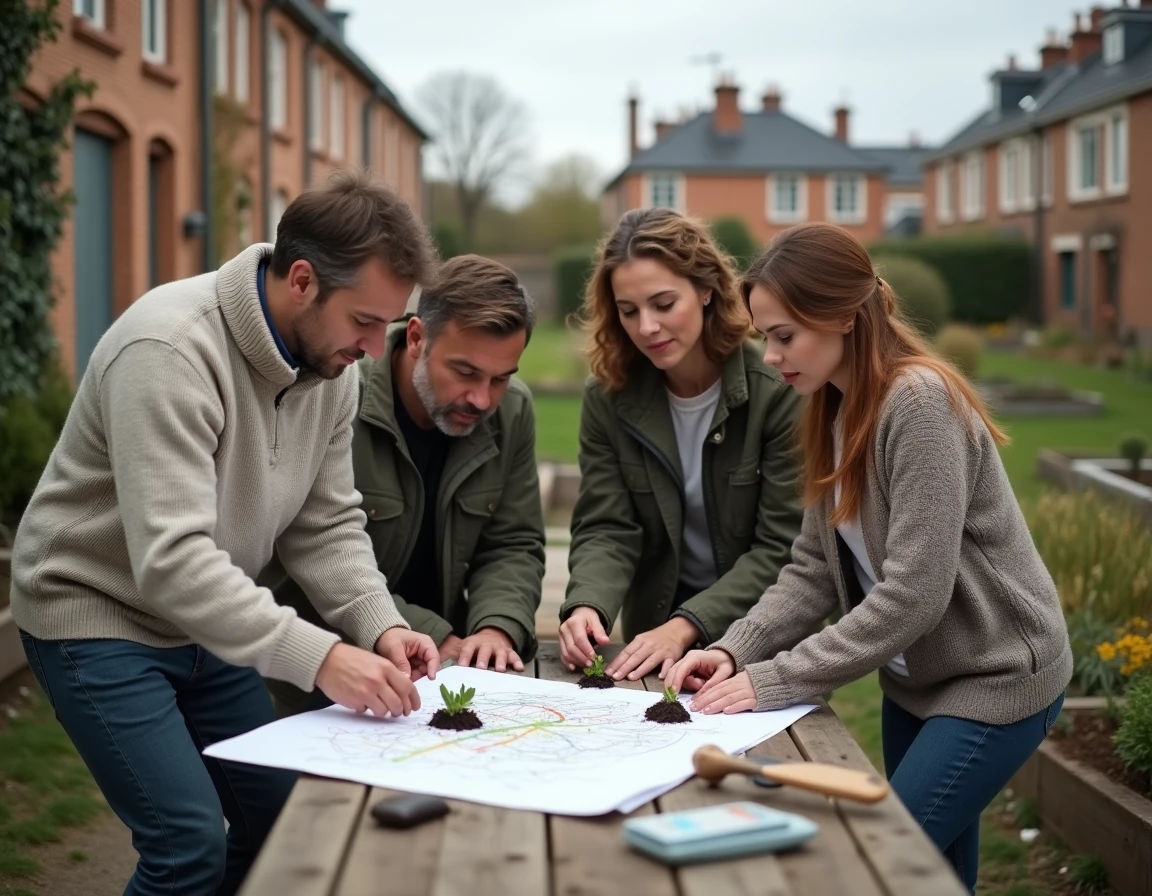
Citizen participation in Rennes is no longer limited to occasional consultations or poorly attended neighborhood meetings. It is now structured as a permanent public policy, with mechanisms that span the metropolitan area well beyond the city center. Understanding how these mechanisms work requires going beyond institutional showcases.
Participatory budget in peripheral municipalities: a change of scale for the Rennes metropolis
The extension of local democracy tools to small municipalities is a significant development in recent times. Le Verger, a municipality in western Rennes, launched its first participatory budget in September 2026, accompanied by the creation of an advisory council. This is not trivial: it signals that the mechanisms tested within Rennes are migrating to areas where the proximity between elected officials and residents radically changes the dynamics of consultation.
In a municipality of this size, a participatory budget does not function like it does in a city with several hundred thousand inhabitants. The projects submitted for voting are more concrete, more localized, and the trade-offs are more visible. We observe that this metropolitan diffusion forces local authorities to adapt their digital tools and meeting formats; otherwise, participation remains captured by the same profiles of already engaged residents.
The Fabrique Citoyenne platform, used at the scale of Rennes Métropole, serves as a common technical foundation. Complementary resources document local political dynamics, notably on https://rennes-en-commun-2020.fr/, which outlines the commitments made by Rennes collectives since the beginning of the decade.
Metropolitan citizenship convention: functioning and limits of a permanent mechanism
The metropolitan citizenship convention brings together randomly selected residents tasked with formulating opinions and proposals on metropolitan initiatives. This mechanism goes beyond the classic neighborhood council format: it follows public policies over time and produces formalized recommendations.
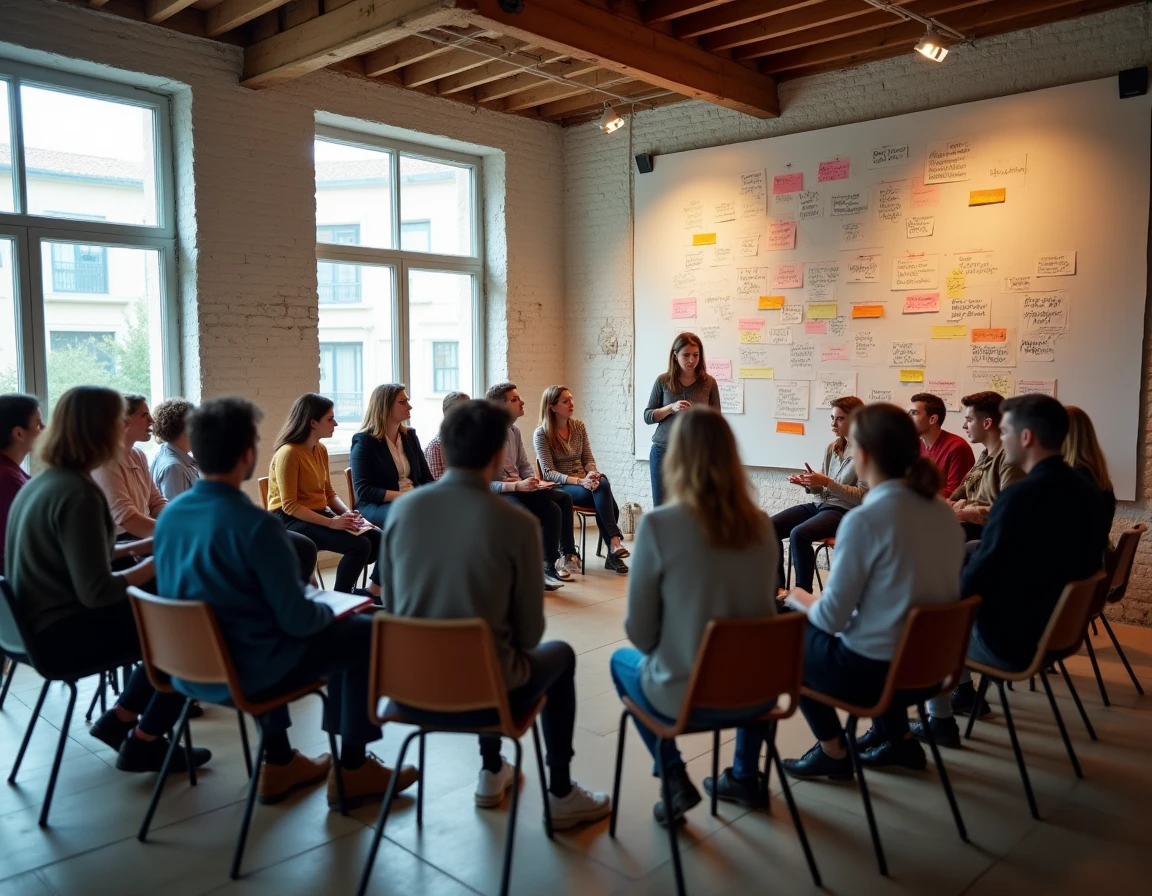
The Printemps Citoyen, an annual event led by members of this convention, illustrates the connection between institutional participation and associative mobilization. Its fourth edition gathered dozens of events co-constructed by residents, municipalities, and associations. The format combines workshops, meetings, and sharing times, with a program decided collectively.
The main limitation of this type of mechanism lies in the real representativeness of participants. The random selection partially corrects selection biases but does not guarantee sociolinguistic diversity or the presence of residents who are farthest from institutional circuits.
Language inclusion: a blind spot currently being addressed
The issue of language inclusion is beginning to emerge in some municipalities of the metropolis. In Noyal-Châtillon-sur-Seiche, a survey titled “Are we all equal in the city?” was conducted in September 2026, aiming to identify barriers to participation, including language barriers.
This type of approach remains rare. Reducing linguistic barriers to participation requires translations, mediators, and non-written formats. Most digital consultation platforms do not yet incorporate these features, effectively excluding a portion of the residents of the metropolis.
Citizen mobilizations outside the institutional framework in Rennes
The mechanisms framed by the local authority capture only a fraction of citizen engagement in Rennes. Autonomous mobilizations continue to structure around environmental, social, or international issues, outside any institutional framework.
We recommend not to oppose these two forms of action. The collectives that organize climate marches or citizen cleanup days (like World Clean Up Day) contribute to a pool of skills and networks that institutional mechanisms can then mobilize. The permeability between associative engagement and formal participation is a characteristic of the Rennes fabric.
- The Rennes neighborhood councils function as spaces for information feedback, but their decision-making power remains consultative.
- The right of interpellation allows residents to put a topic on the municipal council’s agenda, a tool that is underutilized but legally binding in its initiation.
- Local environmental associations organize recurring events (housing workshops, soft mobility) that complement the institutional offer without replacing it.
Role of associative actors in the ecological and social transition in Rennes
The Maison de la Consommation et de l’Environnement (MCE) coordinates programs in Rennes such as “Welcome to Transition,” which offer residents the opportunity to discover concrete alternatives in housing and mobility. These initiatives rely on the testimonies of engaged residents, not on top-down prescriptions.
The format is designed to remove barriers to action: visits to renovated housing, meetings with cargo bike users, repair workshops. The goal is to show that transition choices are accessible, not reserved for activist profiles.
This associative network constitutes the true lever of transformation at the neighborhood level. Public participation policies only have a lasting effect if they rely on grassroots intermediaries capable of reaching audiences who do not respond to online consultations or municipal meetings.
The position of citizen participation ambassador in the neighborhoods, created by Rennes Métropole in September 2026, reflects this awareness. It aims to seek out residents’ voices where they are expressed, rather than waiting for them to rise through official channels. Citizen participation in Rennes takes place as much in building lobbies as in council rooms.